


Managing Eye Allergies: Tips for Relief
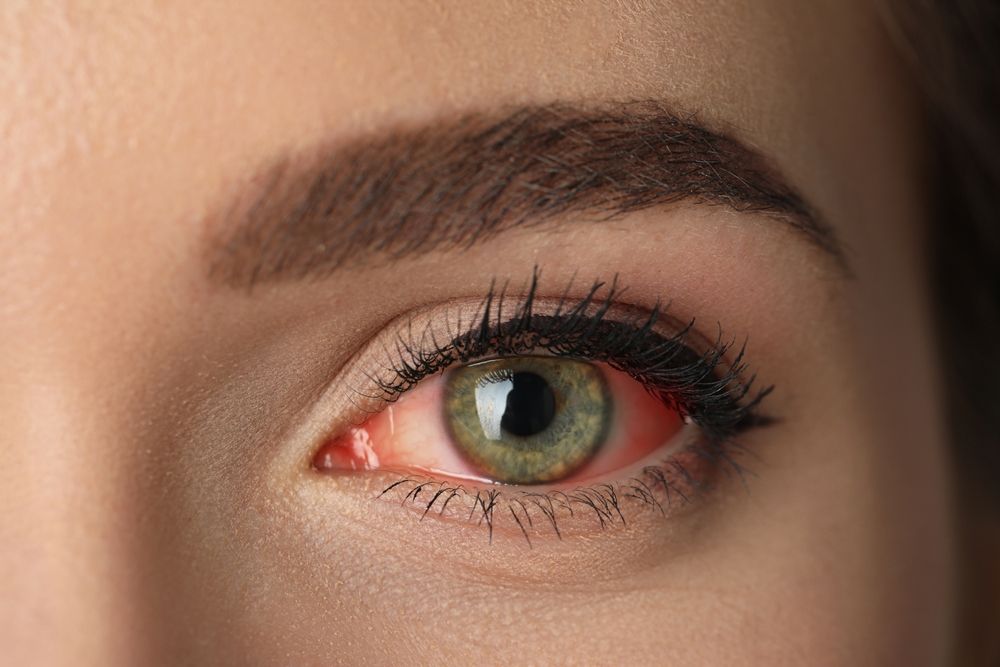
Eye allergies are a common condition that can make everyday life uncomfortable. Redness, itching, watering, and swelling around the eyes can interfere with work, screen time, and outdoor activities. Knowing how to manage symptoms and when to see your eye doctor can make a significant difference in comfort and eye health.
What Causes Eye Allergies?
Eye allergies, also known as allergic conjunctivitis, occur when the eyes react to allergens in the environment. Common triggers include:
- Pollen from trees, grass, or weeds
- Dust mites
- Pet dander
- Mold spores
- Smoke, perfumes, or air pollution
When allergens come into contact with the eyes, the immune system releases histamines, leading to inflammation and irritation.
Common Symptoms of Eye Allergies
Eye allergy symptoms may vary in intensity, but often include:
- Itchy or burning eyes
- Redness
- Excessive tearing
- Swollen eyelids
- Sensitivity to light
- A gritty or uncomfortable sensation
Unlike eye infections, allergy-related discharge is usually clear and watery rather than thick or yellow.
Limit Allergen Exposure
While avoiding allergens completely isn’t always realistic, reducing how much you come into contact with them can make a noticeable difference. Keep an eye on local pollen counts and try to limit time outdoors when levels are high. During peak allergy season, keep windows closed to prevent pollen from drifting inside. At home, using an air purifier and replacing HVAC filters regularly can help cut down on airborne irritants. After spending time outside, showering and changing clothes can also remove pollen that may cling to your skin and fabrics.
Practice Good Eye Hygiene
Simple hygiene habits go a long way in preventing flare-ups. Avoid rubbing your eyes, even when they feel intensely itchy, since rubbing can increase irritation and make symptoms worse. Wash your hands often to avoid transferring allergens from your fingers to your eyes. If you wear eye makeup, remove it thoroughly each day and replace products regularly, since older cosmetics can harbor irritants that contribute to inflammation.
Use Cold Compresses
A cold compress is a quick, drug-free way to calm allergy symptoms. Applying a clean, cold compress over closed eyes can help reduce redness, itching, and swelling. This can be especially helpful after being outdoors or during times when symptoms flare suddenly.
When to See Your Eye Doctor
While mild eye allergies can often be managed at home, it’s important to schedule an eye exam if:
- Symptoms persist despite over-the-counter treatments
- Eye pain or significant swelling occurs
- Vision becomes blurry or changes suddenly
- You experience light sensitivity or severe redness
- Symptoms affect only one eye or worsen rapidly
Our eye doctors can confirm whether allergies are the cause, rule out infections or other eye conditions, and prescribe stronger treatments if needed. Professional guidance ensures you receive the right treatment while protecting your long-term vision health.
Find Lasting Eye Allergy Relief at The Vision Hub
Eye allergies can be frustrating, but with the right management strategies, relief is possible. By minimizing exposure to allergens, practicing proper eye care, and knowing when to seek professional help, you can keep your eyes comfortable and healthy throughout allergy season and beyond.
If eye allergy symptoms are disrupting your daily life, contact The Vision Hub to schedule an eye exam and get personalized care designed to bring you lasting relief and clearer vision. Call our DeFuniak Springs office at (850) 892-5514, Fort Walton Beach office at (850) 243-3111, or Freeport office at (850) 880-6778 to book an appointment today.


The Vision Hub
DeFuniak Springs
The Vision Hub
Fort Walton Beach
The Vision Hub
Freeport

© 2023 The Vision Hub | All Rights Reserved | Accessibility Statement | Privacy Policy
Powered By
